BPC-157 Capsules 2026: What You Need to Know About Oral Form
Capsule-form BPC-157 is growing in popularity for those avoiding injections. This site explains what oral BPC-157 actually does differently, where it excels over injectable form, and how to dose it correctly.
Major effect categories reported across the BPC-157 literature.
Tendon & joint repair
Strongest evidence in connective-tissue healing models.
Gut lining integrity
Originally derived from gastric juice — strong GI mucosa effects.
Soft-tissue recovery
Studied in crushed-muscle and traumatic ligament-injury rat models.
Neuroprotective signals
Reported CNS-protective effects in ischemia models.
Favorable safety profile
No serious adverse events at common research doses in animal data.
Research-grade only
Not approved for human consumption. Sold for in-vitro use.
Top sources for 2026
Vendors that publish per-batch COA and ship globally.
Best Seller
Bpc157capsules
BPC-157 Capsules (500mcg)
(50)
If you've been living with a "nagging" injury that just won't go away, BPC-157 Capsules could be the solution you've been searching for. Chronic injuries often persist because the body lacks the necessary signals to finish the repair process. BPC-157 acts as a signaling molecule
In our digital age, Repetitive Strain Injuries (RSI) like carpal tunnel and "tech neck" are more common than ever. BPC-157 Capsules are a modern solution for these modern problems. Unlike acute injuries, RSI involves chronic, low-grade inflammation of the tendons and nerves due t
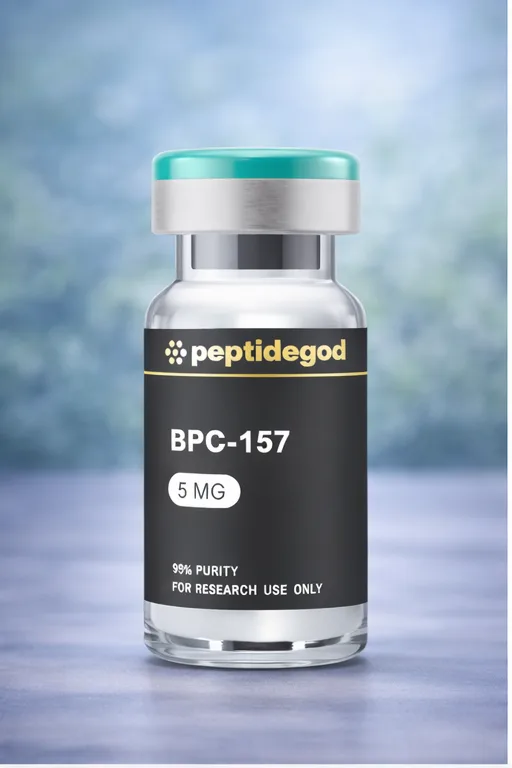
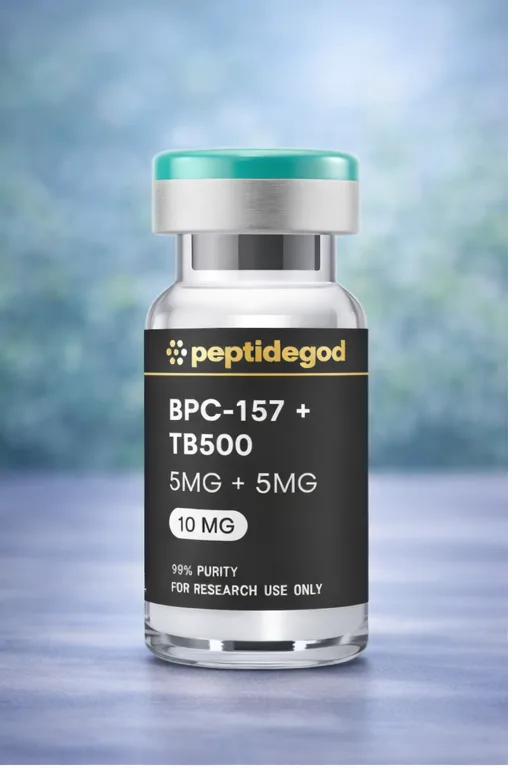
BPC-157 Vials represent the peak of peptide efficacy, offering 100% bioavailability that oral formats simply cannot match. By choosing the injectable route, you bypass the digestive tract entirely, ensuring the full potency of the pentadecapeptide enters your systemic circulation
The secret to the legendary healing power of BPC-157 Vials is its ability to promote angiogenesis. Many of the body’s most important tissues—like ligaments and the white matter of the brain—have very poor blood supply, which makes them slow to heal. BPC-157 solves this problem by
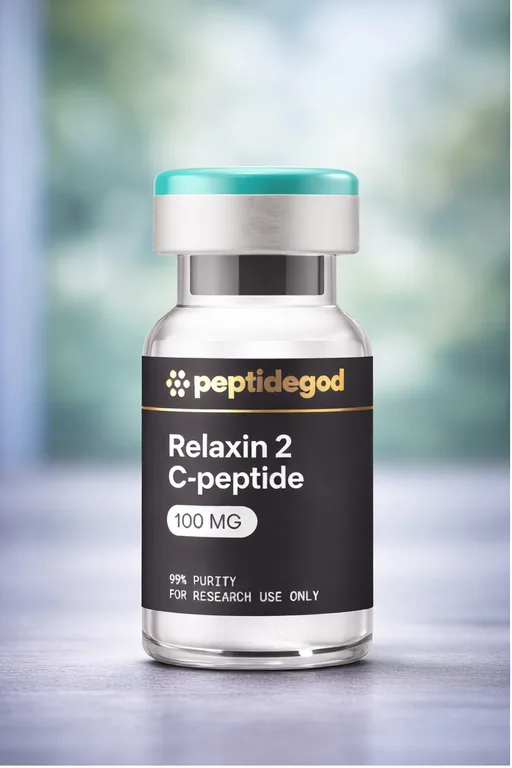
Relaxin 2 C-peptide (56-129) plays a fascinating role in research involving renal blood flow and fluid homeostasis. This human peptide fragment is used to investigate the mechanisms by which the body regulates glomerular filtration rates and sodium excretion. Our injectable-grade
Relaxin 2 (Human) is the primary ligand used for high-resolution mapping of the Relaxin Family Peptide Receptors (RXFP1 and RXFP2). This mature peptide is essential for G-protein coupled receptor (GPCR) research, allowing scientists to observe the signaling cascades involved in c
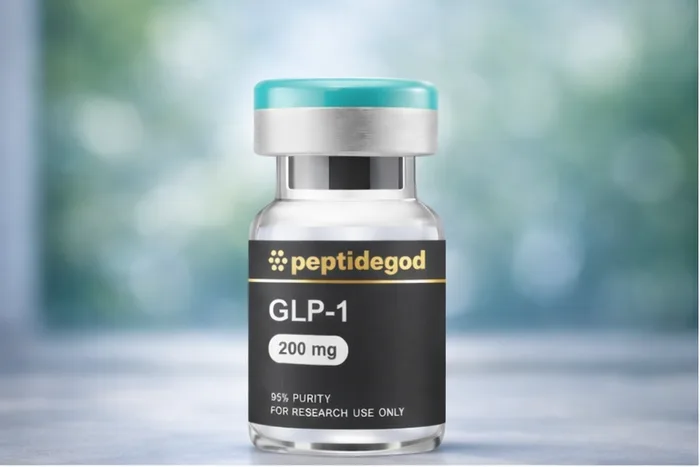
GLP-1 (Human, Rat, Mouse, Porcine, Bovine, Canine, Ovine)
(52)
Ovine GLP-1 is designed for the study of sheep metabolism and reproductive endocrinology. This peptide is used to investigate the role of incretins in ruminant energy partitioning and their impact on fetal development and maternal health. Our lyophilized vials ensure that the Ovi
Do BPC-157 capsules actually work for muscle and tendon injuries, or only for gut issues?
Capsules work for systemic issues including tendons and muscles—the peptide does get absorbed through the intestinal wall and enters circulation. However, for musculoskeletal injuries, injectable BPC-157 is generally considered more effective because it delivers higher plasma concentrations to the target tissue faster. Capsules are a reasonable alternative for those who cannot or will not inject.
Should I take BPC-157 capsules with food or on an empty stomach?
Most practitioners recommend an empty stomach to minimize peptide degradation by digestive enzymes and maximize absorption. However, if nausea is a problem, taking with a small amount of food reduces GI discomfort with minimal impact on efficacy. Avoid taking with protein-rich meals, which flood the gut with competing amino acids.
How are BPC-157 capsules made—is the peptide heat-stable enough?
BPC-157 peptide powder is cold-filled into capsules without heat processing. Lyophilized peptide is stable at room temperature for weeks when properly packaged. Unlike injectable solutions, capsules do not require reconstitution or refrigeration. Quality varies significantly between suppliers—third-party HPLC testing is the only way to verify potency.
What is the difference between BPC-157 capsules and 'stable BPC-157' tablets?
Standard BPC-157 capsules contain the acetate salt form. 'Stable BPC-157' or 'BPC-157 arginate' refers to an arginine-modified salt claimed to have greater stability and possibly improved oral bioavailability. Limited independent research exists on the arginate form; most animal studies use the standard acetate. Some brands market arginate as superior without strong evidence.
Ready to pick a vendor?
Vetted list with per-batch COA and global shipping.
 30 capsules.webp)
 60 capsules.webp)